Kim
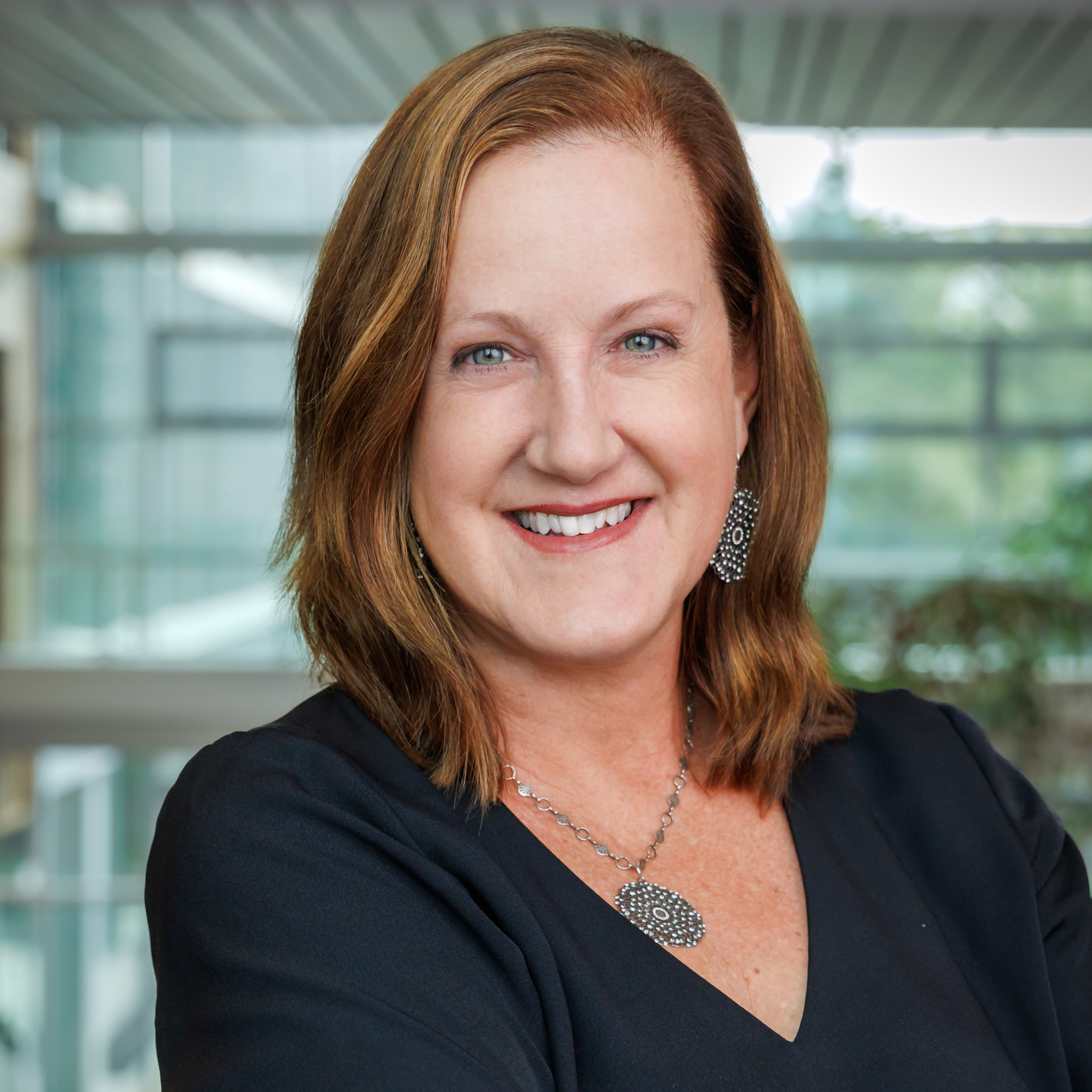
Hello, everyone. I’m Kim Thiboldeaux, and welcome to this episode of NEBGH Voices. I’m glad you’re joining us for a conversation about the evolving role employers play in shaping the healthcare experience for their employees and families. We’ll explore how organizations are approaching benefits strategy, pharmacy benefits, and employee-centered healthcare design in today’s complex healthcare environment. I’m pleased to welcome Melinda Morimoto, Senior Benefits Director at Genentech. Melinda has helped lead significant benefits initiatives focused on improving the employee experience, supporting health and well-being, and evaluating innovative approaches to healthcare and pharmacy benefits. Melinda, thank you so much for joining us. We look forward to hearing about the lessons learned from your work, the principles that have guided your approach, and what other employers may be able to take away from Genentech’s experience.
Melinda Morimoto
Thank you for inviting me, Kim. It’s an honor to be here.
Kim
Absolutely. So, so let’s jump in. Tell us a little bit, Melinda, about your role at Genentech and your journey into employee benefits leadership. As someone responsible for shaping benefits strategy at a company known for scientific innovation, what experiences have most influenced your approach to employee health and well-being.
Melinda Morimoto
So, Kim, I started in this role about 35 years ago, working as a health underwriter, and I quickly found that consulting, problem-solving, and working directly with a client was more interesting. I joined Genentech about seven years ago to lead our healthcare strategy and ultimately to full U.S. benefits, and the reason I chose Genentech was we are such a respected healthcare company, looking to innovate and to do more for patients. So to work within an organization that values employees, understands the complexities and nuances of healthcare, and prides itself on being really innovative and finding the next breakthrough. It makes it a very rewarding and exciting place to do healthcare consulting.
Kim
Fantastic, you know, Melinda, Genentech occupies a unique position here in healthcare. You’re a biotechnology company. You’re developing medicines, advancing science, but you’re also a large employer responsible for the health and well-being of 1000s of employees. So, how do these identities influence one another when you’re designing benefits and healthcare programs?
Melinda Morimoto
So, this really came to light a couple of years ago when we were due to RFP for our pharmacy benefits, and as a pharma manufacturer, that puts us in an interesting place. You know, we put our fiduciary responsibility first and foremost, and it’s important that we really stay aligned and understand who we are as a company and what our point of view is. We have tremendous expertise within the walls of our organization that enable us to know more, and with that comes sort of more responsibility and more scrutiny.
Kim
Really, really interesting. I want to dig in on that a little bit deeper, if I may. So, when you began rethinking Genentech’s benefit strategy, what were the foundational principles guiding your work? Were there specific values, philosophies, goals that really served as your North Star, you know, through the process? Did you take a step back before taking a step forward? Tell me about that.
Melinda Morimoto
I take a huge step back. Great question. So you know, foundationally, we have to have competitive benefits. We benchmark against pharma, our Bay Area peers. We have to ensure that our benefits are affordable for employees and the company. They have to be compliant. All the usual basics. What we were able to really, though, anchor to at Genentech, everything we do is in service of patients. Our motto is doing now what patients need next. So for us, the first thing was it needs to be a patient-centric focus on improving that employee experience and health outcomes. We need to meet our fiduciary responsibility and deliver the greatest value, and the value is an important component there. For us, it’s to ensure access to clinically appropriate care, and a hard one is how do we anticipate and keep pace with advances in science and innovation?
Kim
Interesting, really interesting. I want to drill down, if it’s okay, Melinda, on a couple kind of specialty areas that I know that you took on. I know that Genentech has received some attention for its work around women’s health benefits. What opportunities did you see to better support women across different stages of life and career? And what changes have had the greatest impact so far? Because I’ve seen some of your team out speaking on this topic, and you have a great, you know, women’s health team. And so, how did you think about women’s health specifically? And by the way, especially maybe now that you have a female CEO at Genentech!
Melinda Morimoto
We do, we do. We actually have a female CEO for our global pharma business as well, and it was really Teresa who called out to all of us, this is probably three or four years ago, that for too long the default human has been the male body, and that we really should be rethinking and studying the female biology when we’re thinking about medicines. So one of the, I’d have to say probably the best return on value I’ve ever experienced in putting a new benefit was our menopause benefits that we launched about four years ago. It came up in a conversation. It was sort of a fireside chat at an internal summit with some of our more senior leaders talking about how really uncomfortable it was to have a hot flash in the middle of a meeting, or challenging to focus when they hadn’t slept well the night before, and that this really hits when we’re sort of in the prime of our careers. And our chief people officer at the time then came straight to me and said, “Okay, what might we do about this? We were then able to launch menopause benefits about four or five months later, and we had over 500 employees and partners sign up in the first month alone. When I was watching the chats coming through during webinars that Maven put on, it was everything from “I feel seen and heard” to “I’ve lived in shame for six years,”, to “I’m so proud to work for a company that offers this type of benefit.” We went on to have articles in Time and BBC. It really helped open the door to a conversation that was long overdue. We then had the opportunity to participate in the Moonshot, the Cancer Moonshot at the White House a couple of years ago, and coming out of that, it was a roundtable, maybe a dozen and a half employers and other industry leaders talking about how we could advance cancer screenings in the workplace, and they challenged each of us to make one commitment to do something new. So the commitment we took, and we’ve piloted, and we’re not all the way to the vision,
Kim
Okay.
Melinda Morimoto
was to try to have as much of women’s health annual screenings in one day as possible. You think about typically we go for our wellness exam, and then we get sent for a mammogram. We get sent for blood work, and it feels like we’re never done. We’re never caught up in our in our screenings. So we piloted, and now I’m proud to say, two years later, it’s become a regular thing. We bring a mammogram van on campus. Our employees can have their blood work done. They can have their annual well woman exam. They can pick up a fit kit, so it’s not all in one appointment yet. Because ideally, we would do all the diagnostics and then have the conversation with the clinician. But we’re getting pretty close, and we’ve got all the pieces that people can get their full care on campus.
Kim
Terrific, terrific. As a woman of a certain age, I applaud those women’s health benefits and trying – it does seem never ending sometimes. So trying to streamline that is just terrific. Maybe you could send the van up here to my apartment when you guys are…
Melinda Morimoto
Absolutely!
Kim
No, that’s great. That is terrific. And I did a lot of work with Genentech through the Cancer Moonshot, and I was on the board of the Biden Cancer Initiative, and you guys were very active in that process. And I think that the last convening that that Jill Biden hosted at the White House was on women’s health, was a full day on women’s health, and I think one of your colleagues was a speaker at that. And again, it’s just so great to see you guys out and about on these topics, could we drill down, Melinda, a little bit more on cancer? Obviously, you’re a huge manufacturer of cancer products. You are very much at the forefront of the cancer conversation, and but really, you bring deep expertise on that clinical side. But talk a little bit more about how you are talking to your employees broadly about cancer, the cancer experience, cancer screening benefits, navigation, psychosocial care. What have you done to improve the experience of your employees who are touched by a cancer diagnosis?
Melinda Morimoto
So interestingly, this was the first big project that I did when I joined the company, and at the time, my leader said, “Oncology is quarter of business. We can’t just buy an off-the-shelf vendor solution. Anything we do has to be best in class. No pressure there. So we were able to tap into you know folks in the business who do biomarker testing, oncologists. Our chief medical officer at the time was an oncologist. When we interviewed her, the primary thing she wanted us to take away was that the moment someone hears they have a cancer diagnosis, they shut down. It’s really hard to absorb anything. So this idea of we’ve got to be supporting that patient and their caregivers from that moment forward was critical in our design. We have a national footprint. We have employees in all 50 states. We have some amazing centers of excellence in our backyard, but we have employees who live in rural areas as well. So the approach that we took, and it was it was early on in the days, is we partnered with Access Hope to do a full review of cancer diagnoses to ensure that people have had all the right diagnostic tests, biomarker testing, confirmed diagnosis, and then have a treatment consultation with the treating oncology team. We didn’t want to take people away from their homes and their families and their support system, but at the same time, we felt was so important. Cancer, the pace of technology and innovation is so fast in this space. We want to make sure that every one of our employees has access to that leading edge technology, those clinical trials, and their care isn’t dependent upon who they know. So we put that in place, but we also make sure they have oncology nurses who can walk the journey with them. They have very robust mental health benefits, time off benefits, with the idea that we know we’re supporting that individual and their entire caregiving family and team through their journey and hopefully back to work.
Kim
Terrific! It’s great to hear. You touched on this, but I want to go back to this PBM transformation. And again, you were in an interesting space in the healthcare ecosystem. But one of your most notable benefit decisions was moving from a traditional pharmacy benefit manager PBM to Rightway, which is known as a more transparent model. So, what prompted you to explore alternatives? What goals were you hoping to achieve through that evaluation process? Can you just walk us a little bit through that process and decision making?
Melinda Morimoto
Happy to. So, the goals we had were really to have transparency as a tool, transparency to our data, transparency to net pricing, ideally to get clarity on total cost of care. We felt strongly that we needed more control and flexibility about what we cover and how we cover it. You know, so often, in my prior life, a broker would come and say, you know, here are your different choices. Here are the levers to save cost. You know, if you exclude these medications at launch, you’re going to save X million dollars. But it was never, “And what is the impact to the patient? Are the are we covering the right medications for the right reasons?”. So, during the RFP process, you know, we were able to explore the transparent modular PBMs as well as the traditional three, Big Three, and what we found is it was really important that we found the vendor partner that would work with us, enable us to achieve our guiding principles, and that’s where we found a really good fit with Rightway. We went a step further, though, you know, it was it was about having the flexibility to select our mail order partner, to select our specialty vendor partner as we choose, but also to have a partner who helps us design our custom formulary, and the ability to customize based on our values, so we have medications that are high value that are no cost to patients, or at least after the high deductible, and then we make very thoughtful decisions about what’s covered and if something’s excluded, what is that path to coverage for someone who truly needs that medication? This has given us a lot more insight into data, into, we hope over time, what’s really improving health outcomes and getting us to that, what seems to be, mysterious elusive total cost of care.
Kim
Yeah, well, I hope you’ll continue to share with us as you learn along the way. But I’m just curious in this kind of initial process, the selection implementation, were there any surprises so far? Any lessons learned? Anything that could help other employers who are now on a similar path within our NEBGH network? Because this is a hot topic of conversation, as you can imagine.
Melinda Morimoto
You know, for as much as pharma and PBMs have been in the industry, I’m not sure people really understand what a pharmacy benefit manager is, and we left one where it was the same vendor delivering PBM retail, or not retail, but mail order and specialty, and so in the in the move to Rightway, we also then introduced Walgreens specialty and Walgreens mail order. Some employees thought that meant they had to go to Walgreens retail. They didn’t have the full retail network. They didn’t know who was this Rightway and why am I calling Rightway versus when do I go to Walgreens? So I think there’s a deeper level of education on who you call to and what role each provider plays that’s important. I think, for those who are exploring this, I would say first and foremost, make sure you have the right consulting partner. It’s a different methodology and more sophisticated than just the rebate analysis. So you really have to have the right partner who’s doing these analytics alongside you and is keeping up with the market trends? So challenge those financial models and rebate methodology. One thing that we’re trying to do now, which isn’t as easy as it should be, is validate the total cost of goods. You know there were savings that were put out through the RFP, but now we’re looking at a different mix of utilization. Say, okay, truly, though, at a net unit price, did we achieve the savings that were promised through the RFP? I think you can’t over communicate for your employees what the transition means, what to expect and when to expect it. So things like transferring of prescriptions didn’t happen magically on day one. They came two or three weeks later. So that left people in a two or three week window of angst. So all of these are things that are, I think, if you understand them, and you know it and plan for it, can make for a very smooth transition.
Kim
Terrific, terrific. Let’s shift to what’s next, Melinda. I know that Genentech is engaged in an ambitious effort known as Health Reimagined 2030. So, what is that? What’s the vision behind this initiative? How are you bringing this to employees? How are you incorporating the patient perspective, really, into the design of future healthcare experiences? When you talk about the patient at the center of all you do as your north star, talk about this Health Reimagined 2030.
Melinda Morimoto
Oh, this is the most inspiring and exciting work of my career, so I’m more than happy, more than happy to discuss it.
Kim
Wow! Great!
Melinda Morimoto
So, you know, we as a healthcare company are looking to create a healthier future. We take that spirit and bring it to life for our own employees. When we think about patients, we’re thinking about our colleagues and their family members. So that bold spirit that we take in creating a new diagnostic and bringing a new medicine to patients, we want to infuse that into how we’re thinking about healthcare. Like every other company, we’re facing, you know, 9% plus trends. That is not a sustainable cost increase for our company for our employees. We fundamentally believe something needs to shift and be done differently, but it isn’t about cost shifting to our employees. It’s, “How do we create a healthier workforce?”. So we’re doing it in a way that I think is truly unique to who we are as a company, in that we’re starting with our employees, so everything we do is getting input from, we like to co-create with our patients. We’re taking that approach. We had about 2500 employees, so more than 10% of our workforce, who participate in virtual focus groups, feedback on what enables them, and what are the barriers to them accessing care, preventive care, timely care. A lot of what we’ve heard from them is it’s the time. To find a provider, to make an appointment, to get to the appointment, to take the appointment, to follow up from the appointment, and cost. Not knowing what it’s going to cost, afraid of a surprise bill. So those are things that we’re weaving into it, but then we are taking advantage of the rich intellectual capital we have in our organization on what the future of the healthcare industry might look like. How are we seeing? What are the shifts we might anticipate with AI and digitalization? What is that patient-provider relationship? How is it going to shift over time? And really trying to build for what we see as the future. When we think about what we’ll need to do differently, fundamentally, things that are coming forward is we’ve got to be able to build trust in the healthcare system and get people engaged up front. We need to make it simpler and easier for people to navigate, easier to understand. We’ve got to be able to blend where AI and digital can help really personalize things, but have that human touch, have that warm, compassionate voice, who can explain something when you need it, who can guide you and walk you through when you need it. So, you know, I don’t know if we’re going to revolutionize healthcare, but we are looking to fundamentally change the relationship that our employees have with healthcare, and hopefully shift the relationship that our vendors have with us. You know, not to scare them, but maybe to put them on notice. We’re starting to talk about things like shared KPIs across our entire ecosystem. So we’re all working towards increased preventive care utilization. We’re all working towards lower rates of anxiety, lowering blood pressure. Need to think as a collective ecosystem, and how are we building that design? So ultimately, the goal of this: how would we design it if it was designed around the patient experience, and not the patient fumbling through our current fractured healthcare system?
Kim
Well, I love that. So, just take me again a little bit into the future. So, how do you? Can you give me some examples? I mean, I know you’re early in the process, but obviously you’ve talked to a lot of people, your employees. You’ve talked to a lot of your colleagues, you know, in the company. So, do you have thoughts about how you can make it easier for employees to access and navigate their care? And I love that you’re talking about artificial intelligence, but that we cannot do away with sort of emotional intelligence. You know, healthcare and engaging in healthcare can be a very personal and very emotional experience. So, making sure that we have that human element while also taking advantage of what AI has to offer. But do you have thoughts in your head about what this could mean, or how you can ease the process, or how, and also, look, I think a lot of HR and benefits people struggle with engagement from their employees in new things, in new offerings. So, just drill down a little bit for me, Melinda. Do you have a dream, I’m sure, about what this you know, might look like, but give me some examples of where you could see the rubber meeting the road for your employees.
Melinda Morimoto
So I’ll give you a sneak peek, and it hasn’t been announced yet. But we have a really innovative new well-being program that we’re rolling out in 2027, and it is curated and personalized to each unique individual with dynamic rewards based on what is most important for you in managing your well-being, content that is curated for each individual based on their age, their medical history, their biometrics, what they share through health screening questions, what they choose to prioritize and engage in, if they want to share data from their Apple Watch, their Garmin, their Aura ring, it shows how they’re sleeping, you know, what their readiness level is, etc. With the idea that if we can build trust up front, that this is for me, this is to support me in my well-being journey, we can then engage people before they need care, build that trust, get that engagement because it’s really about what you, Kim, are saying is important to you and your health and well-being, so that the moment life happens, you have an accident, you have an illness, you know where to start. You have that connection. You have that trusted guide to connect you to hopefully the best resources we have within our ecosystem. So the idea is to make it really simple and easy to take better care of yourself. And when you need to engage with the healthcare system, someone’s laying it out for you, and they’re making it easy. In an ideal world down the road, you’re going to get to click to schedule an appointment and not play phone tag for three days, right? So ultimately, that’s where we see this going: having really personalized information. But again, that warm, friendly voice at the other side of the phone when you need to talk to someone when you’re dealing with something complicated.
Kim
Terrific, Melinda. As we sort of wind down the conversation here, and I could talk for three more hours about all of this, but we have to move along. But you know, again, this podcast is for our employers, right? Our network of HR and benefits leaders. You’re, you know, you’re pushing a big boulder up the hill there at Genentech.
Melinda Morimoto
Second time I’ve heard that today, by the way, Kim.
Kim
Oh, okay. Well, there you go.
Melinda Morimoto
You’re not the first person to tell me that.
Kim
You better be lifting your lifting your weights, ma’am. But you know, look, you’re disrupting the model that’s that’s been in place for for a long time, for many many years. Not not specifically your company, but within the context of our healthcare ecosystem, right? It is a challenge. So I think folks feel like many folks feel like they’re pushing the boulder up the hill internally. They’re obviously you know talking to the CFO about these costs, looking for a new way, looking for a new approach. Models of engagement for their employees. So, if somebody is listening to us today and wants to get some inspo here, thoughts about where to start a process internally, I love how you sort of focused on the company’s values and talk about the patient/employee, you know, as your north star, but so if others are listening, just thoughts about where to start or how to think about the process if folks want to shake it up a little bit in their companies.
Melinda Morimoto
I think it’s really important to have conversations, whether it’s a formal survey, it’s a few interviews, it’s really listening during open enrollment, I think those of us who sit in benefits, this is all we do every day. We’re constantly thinking about how we’re taking care of our employees and the healthcare system, but for others, they only interact when they have to, and maybe weeks after they should have. There’s a much greater need for health literacy and education than I think we realize, and we’ve made the system really, really complicated. So I think asking questions of, you know, what keeps you from getting that, you know, taking care of your annual wellness exam, you know, have you tried virtual care? You know, there’s some people like, oh my gosh, it’s the greatest time saver. Others are like, it’s never as good as in person. I think there’s a time and place for virtual, right? So asking the questions to understand what the reservations might be, what the gaps might be, to then have a different conversation and provide a little bit more guidance and education, I think, is important. This idea of talking to our vendor partners and really trying to have a collective view of what good really looks like, because I think left to their own, each one is trying really hard for the area that they work in. But having these different sort of best-in-class point solutions is not creating a connected journey for the individual, and that’s where I feel like we we’re off the mark these days. People need a connected, integrated, coordinated experience, and I think we’re having to create that for them. Pushing together our vendor partners, talking about data integration, talking about communication, and seamless handoffs, and really, I guess the last thing I would say is, you know, try to look for the what are the gaps, like who’s flying under the radar, you know. We talked a little bit about women’s health, but I had someone who asked me a very provocative question, and it was, you know, given the high prevalence of PCOS and some other conditions that impact so many women that can lead to fertility issues. Why haven’t we talked about it? And I looked at this woman, 30 years younger than me. I said, “Well, it’s never showed up on a large claim report.”, right? Where we focus on the big big dollars, but in doing so, we might be missing some of those opportunities that, if we address today would lead to healthier outcomes and lower costs down the road. So those are some ideas. I think it’s unique to each company. It’s unique to your culture. Talk to your business resource groups. You know, there’s probably people who are very willing to share their perspective. It’s hard for us to find the time, but I think it’s worth it when we do to ask the questions.
Kim
Melinda, I really want to thank you for joining us today and for sharing your perspective on benefit strategy, on healthcare innovation, and really the evolving role employers can play in improving the healthcare experience. Because we know that employees do trust their employers when it comes to healthcare, based on the Edelman data that we’ve seen. I hope our listeners today have come away with some practical ideas and fresh perspectives on how to better support employees, how to navigate healthcare challenges, and to think differently, really, about the future of employer-sponsored benefits. I’d also like to recognize and thank the team at Genentech for sponsoring the episode today. Partnerships like this allow NEBGH to bring timely, practical conversations to our HR benefits and total rewards community. This has been NEBGH Voices. Thank you for listening, and as always, we wish you wellness.
Closing Voices
And I am one of the voices. And I am one of the voices.
Melinda Morimoto
I’m Melinda Morimoto, and I’m one of the voices of NEBGH.